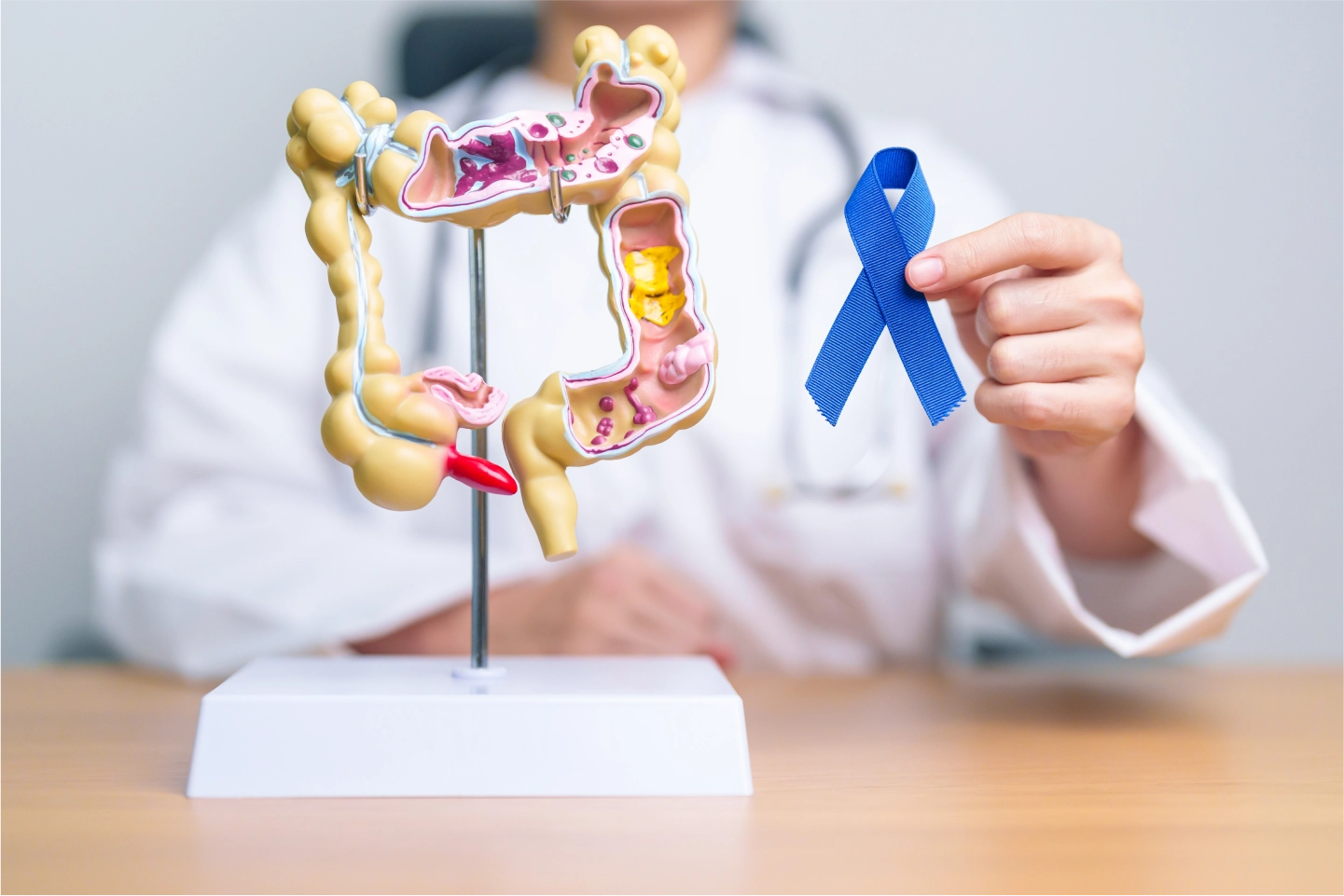
When we think about rheumatology, we often associate it with conditions like rheumatoid arthritis (RA), lupus, and ankylosing spondylitis, which primarily affect the joints and immune system. However, growing research suggests that gut health plays a crucial role in the development and progression of these autoimmune and inflammatory diseases.
The gut is home to trillions of bacteria, collectively known as the gut microbiome, which influence immune function, inflammation, and overall health. Imbalances in gut bacteria, also called dysbiosis, have been linked to several rheumatic conditions. In this blog, we’ll explore how gut health and rheumatology are connected, the role of the microbiome in autoimmune diseases, and strategies for improving gut health to support joint health.
Understanding the Gut-Immune System Connection
The gut and immune system are closely linked. Nearly 70% of the immune system is housed in the gut, meaning that any disruption in gut health can significantly impact immune responses.
The gut microbiome plays a key role in:
- Regulating inflammation by producing anti-inflammatory compounds
- Maintaining immune balance to prevent autoimmune attacks
- Protecting the gut lining, preventing harmful substances from entering the bloodstream
- Digesting food and synthesizing essential vitamins, which support overall health
When the gut microbiome is imbalanced, it can lead to chronic inflammation, a key factor in autoimmune and rheumatic diseases.
How Gut Health Influences Rheumatic Diseases
1. Rheumatoid Arthritis (RA) and the Gut
RA is an autoimmune disease that causes inflammation in the joints. Studies suggest that gut bacteria may play a role in triggering the immune system to attack the joints.
2. Ankylosing Spondylitis and Gut Inflammation
Ankylosing spondylitis (AS) is a chronic inflammatory condition that primarily affects the spine and sacroiliac joints.
3. Lupus and Gut Microbiome Changes
Lupus (systemic lupus erythematosus, SLE) is another autoimmune disorder that can affect joints, skin, kidneys, and other organs.
4. Psoriatic Arthritis and Gut Dysbiosis
Psoriatic arthritis (PsA) is a type of inflammatory arthritis that affects people with psoriasis.
Leaky Gut and Autoimmune Rheumatic Diseases
One theory connecting gut health and autoimmune diseases is the concept of leaky gut syndrome (intestinal permeability).
In a healthy gut, the intestinal lining acts as a barrier, preventing toxins, bacteria, and undigested food from entering the bloodstream. However, chronic stress, poor diet, infections, and dysbiosis can weaken this barrier, allowing harmful substances to leak into the bloodstream.
This triggers an immune response, leading to systemic inflammation and, in some cases, the development of autoimmune diseases like RA, lupus, and AS.
Improving Gut Health to Support Joint Health
Since the gut microbiome influences immune function and inflammation, improving gut health may help manage and prevent rheumatic conditions. Here are some science-backed strategies:
1. Eat a Gut-Friendly Diet
A healthy diet can nourish beneficial gut bacteria and reduce inflammation.
Increase:
- Fiber-rich foods (fruits, vegetables, whole grains) to support gut bacteria
- Fermented foods (yogurt, kefir, kimchi, sauerkraut) to boost probiotics
- Omega-3 fatty acids (fatty fish, flaxseeds, walnuts) to reduce inflammation
- Prebiotic foods (garlic, onions, bananas) to feed good bacteria
Avoid:
- Processed foods, refined sugars, and artificial additives, which promote bad bacteria
- Excessive alcohol and caffeine, which can disrupt gut health
- Gluten and dairy (for some people), which may trigger inflammation
2. Take Probiotics and Prebiotics
- Probiotics (good bacteria) help balance the gut microbiome and support immune function. Look for strains like Lactobacillus and Bifidobacterium.
- Prebiotics are fibers that feed probiotics and help them thrive.
3. Manage Stress
Chronic stress negatively affects gut bacteria and increases inflammation. Practices like meditation, deep breathing, and yoga can help regulate stress and support gut health.
4. Stay Hydrated
Drinking plenty of water helps flush out toxins and supports digestion, preventing gut inflammation.
5. Get Enough Sleep
Poor sleep can disrupt gut bacteria and increase inflammation, worsening autoimmune symptoms. Aim for 7-9 hours of quality sleep per night.
6. Avoid Unnecessary Antibiotics
Overuse of antibiotics can wipe out good bacteria, leading to dysbiosis. Only take antibiotics when necessary and follow up with probiotics.
7. Exercise Regularly
Moderate exercise supports a healthy gut microbiome, reduces inflammation, and strengthens joints.
Final Thoughts
The connection between rheumatology and gut health is becoming increasingly clear. An unhealthy gut microbiome can contribute to systemic inflammation, immune system imbalances, and the progression of autoimmune diseases like RA, lupus, and ankylosing spondylitis.
By optimizing gut health through diet, probiotics, stress management, and lifestyle changes, you may be able to reduce inflammation, improve joint health, and even prevent the onset of autoimmune conditions.
Need Help Managing Rheumatic Symptoms?
If you suffer from joint pain or an autoimmune condition, consult Dr. Gauri Samir Khanapurkar, an experienced Internal Medicine Specialist in Bhusawal. She can help assess your symptoms and guide you on the best approach to improve your gut and joint health.
Schedule a consultation today to take control of your health!

Looking for Expert Care for All Your Health Issues? Your Search Ends Here!
Get personalised treatments, trusted medical advice and compassionate care—all in one place! Don’t wait – take the first step towards better health today!


