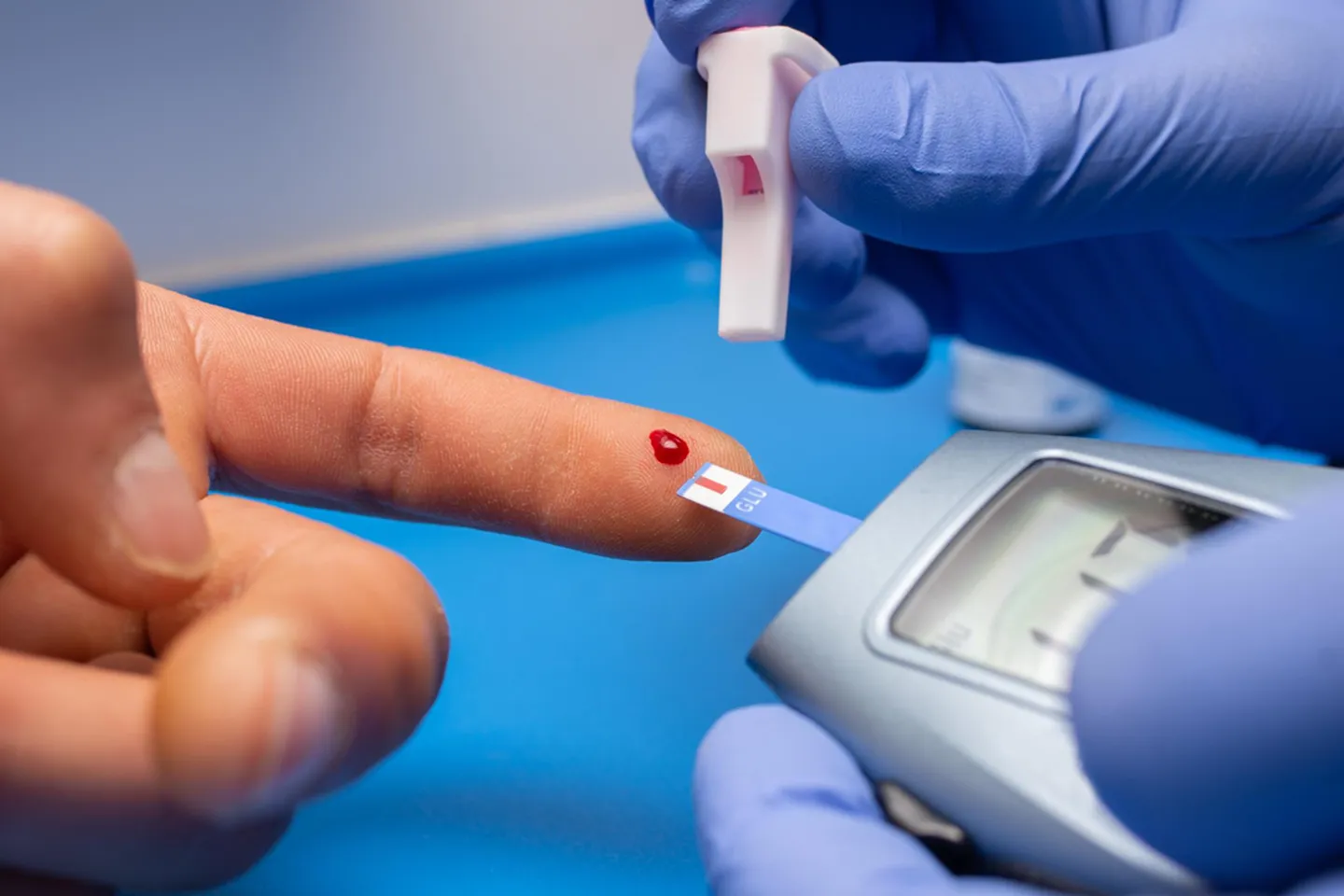
Prediabetes is a condition that signals the body's increasing struggle to regulate blood sugar levels effectively. It acts as a critical warning sign that diabetes may develop if lifestyle changes are not made. However, the good news is that prediabetes is reversible with timely intervention. This blog will discuss the warning signs of prediabetes and provide practical prevention strategies to help you maintain optimal health.
Understanding Prediabetes
Prediabetes is a state where blood sugar levels are higher than normal but not yet high enough to be classified as type 2 diabetes. It indicates that the body's ability to process glucose is impaired, often due to insulin resistance. If left unmanaged, prediabetes can progress into type 2 diabetes, increasing the risk of heart disease, stroke, and other serious complications.
Blood Sugar Levels: Normal vs. Prediabetes vs. Diabetes
A doctor may diagnose prediabetes based on blood glucose levels measured through tests such as:
- Fasting Blood Sugar Test:
- Normal: Less than 100 mg/dL
- Prediabetes: 100-125 mg/dL
- Diabetes: 126 mg/dL or higher
- Hemoglobin A1C Test (Average Blood Sugar Over 3 Months):
- Normal: Below 5.7%
- Prediabetes: 5.7% - 6.4%
- Diabetes: 6.5% or higher
- Oral Glucose Tolerance Test (OGTT):
- Normal: Below 140 mg/dL
- Prediabetes: 140-199 mg/dL
- Diabetes: 200 mg/dL or higher
Warning Signs of Prediabetes
Prediabetes often develops silently, without noticeable symptoms. However, some people may experience subtle warning signs, including:
- Increased Hunger and Cravings- If you constantly feel hungry, even after eating, it may indicate that your body isn’t efficiently using insulin to regulate blood sugar. This can lead to frequent cravings for sugary and high-carbohydrate foods.
- Fatigue and Low Energy- Insulin resistance prevents glucose from entering cells properly, leading to a lack of energy and persistent tiredness, even after adequate sleep.
- Unexplained Weight Gain- Many people with prediabetes gain weight, particularly around the abdominal area. This occurs due to insulin resistance, which promotes fat storage.
- Darkened Skin Patches (Acanthosis Nigricans)- Dark, velvety patches of skin, often found on the neck, armpits, or groin, can indicate insulin resistance, a key factor in prediabetes.
- Frequent Thirst and Urination- Excess blood sugar draws fluids from tissues, making you feel dehydrated and increasing the frequency of urination.
- Slow Healing of Wounds- High blood sugar levels can impair circulation and reduce the body's ability to heal wounds efficiently.
- Blurred Vision- Fluctuating blood sugar levels can temporarily alter the shape of the eye’s lens, leading to blurred vision.
If you notice any of these warning signs, consult your doctor for a proper evaluation and blood sugar testing.
Risk Factors for Prediabetes
Certain factors increase the likelihood of developing prediabetes, including:
- Being Overweight or Obese – Excess body fat, especially around the abdomen, contributes to insulin resistance.
- Sedentary Lifestyle – Lack of physical activity reduces the body's ability to use insulin effectively.
- Unhealthy Diet – A diet high in processed foods, sugar, and refined carbohydrates increases the risk.
- Family History – A family history of diabetes raises the likelihood of developing prediabetes.
- Age (45 and Older) – The risk of insulin resistance increases with age.
- Polycystic Ovary Syndrome (PCOS) – Women with PCOS are more likely to develop insulin resistance.
- High Blood Pressure or High Cholesterol – These conditions are often linked to metabolic disorders, including prediabetes.
Prevention Strategies for Prediabetes
Reversing prediabetes is possible through lifestyle modifications. The following strategies can help lower blood sugar levels and improve insulin sensitivity.
1. Adopt a Healthy Diet
A well-balanced diet plays a crucial role in preventing prediabetes. Consider the following dietary changes:
- Increase Fiber Intake – Foods high in fiber, such as vegetables, fruits, whole grains, and legumes, help regulate blood sugar.
- Choose Healthy Carbohydrates – Opt for complex carbs like quinoa, brown rice, and whole wheat over refined carbohydrates.
- Limit Sugar and Processed Foods – Cut down on sugary drinks, baked goods, and processed snacks that spike blood sugar.
- Incorporate Healthy Fats – Avocados, nuts, seeds, and olive oil can improve insulin function.
- Eat More Lean Proteins – Sources like chicken, fish, tofu, and beans help keep blood sugar stable.
2. Engage in Regular Exercise
Physical activity helps lower blood sugar levels and enhances insulin sensitivity. Aim for:
- 150 minutes of moderate-intensity exercise per week (e.g., brisk walking, swimming, or cycling).
- Strength training exercises at least twice a week to build muscle and improve glucose metabolism.
- Daily movement – Even small actions like taking the stairs instead of the elevator can make a difference.
3. Maintain a Healthy Weight
Losing even 5-10% of body weight can significantly improve blood sugar control and reduce the risk of diabetes.
4. Monitor Blood Sugar Levels
Regularly checking your blood sugar helps you stay on track and make necessary adjustments to your diet and lifestyle.
5. Reduce Stress Levels
Chronic stress raises blood sugar levels due to the release of cortisol. Effective stress management techniques include:
- Meditation or deep breathing exercises
- Yoga or physical activity
- Engaging in hobbies and relaxation techniques
6. Get Quality Sleep
Poor sleep disrupts insulin function and increases the risk of prediabetes. Aim for 7-9 hours of restful sleep each night.
7. Stay Hydrated
Drinking enough water helps flush excess sugar from the body and supports overall health.
8. Limit Alcohol and Quit Smoking
Both alcohol and smoking can increase insulin resistance and contribute to higher blood sugar levels. Reducing alcohol intake and quitting smoking can improve metabolic health.
Final Thoughts
Prediabetes is a wake-up call, but it does not mean diabetes is inevitable. By adopting a healthy diet, exercising regularly, maintaining a healthy weight, and managing stress, you can reverse prediabetes and significantly reduce the risk of developing type 2 diabetes. Early detection and lifestyle changes are the keys to long-term health. If you're concerned about prediabetes or need expert guidance on managing your health, Dr. Gauri Samir Khanapurkar, a trusted Internal Medicine Specialist in Bhusawal, is here to help.

Looking for Expert Care for All Your Health Issues? Your Search Ends Here!
Get personalised treatments, trusted medical advice and compassionate care—all in one place! Don’t wait – take the first step towards better health today!


