ECG Vs 2D Echo, Heart Tests Explained, Electrocardiogram, Echocardiography, Heart Health Screening, Cardiac Diagnostic Tests, Dr Gauri Samir Khanapurkar
Heart health assessment often involves diagnostic tests that evaluate both the electrical activity and structural function of the heart. Two commonly recommended investigations are ECG (Electrocardiogram) and 2D Echo (Two-Dimensional Echocardiography). Although both tests are related to heart evaluation, they serve different purposes and provide distinct types of information. Understanding their roles helps patients appreciate why doctors may recommend one or both tests.
According to Dr Gauri Samir Khanapurkar, Consulting Physician, Diabetologist And Rheumatologist, awareness about these tests helps in early detection of cardiac conditions, timely treatment, and improved long-term heart health outcomes.
What Is ECG?
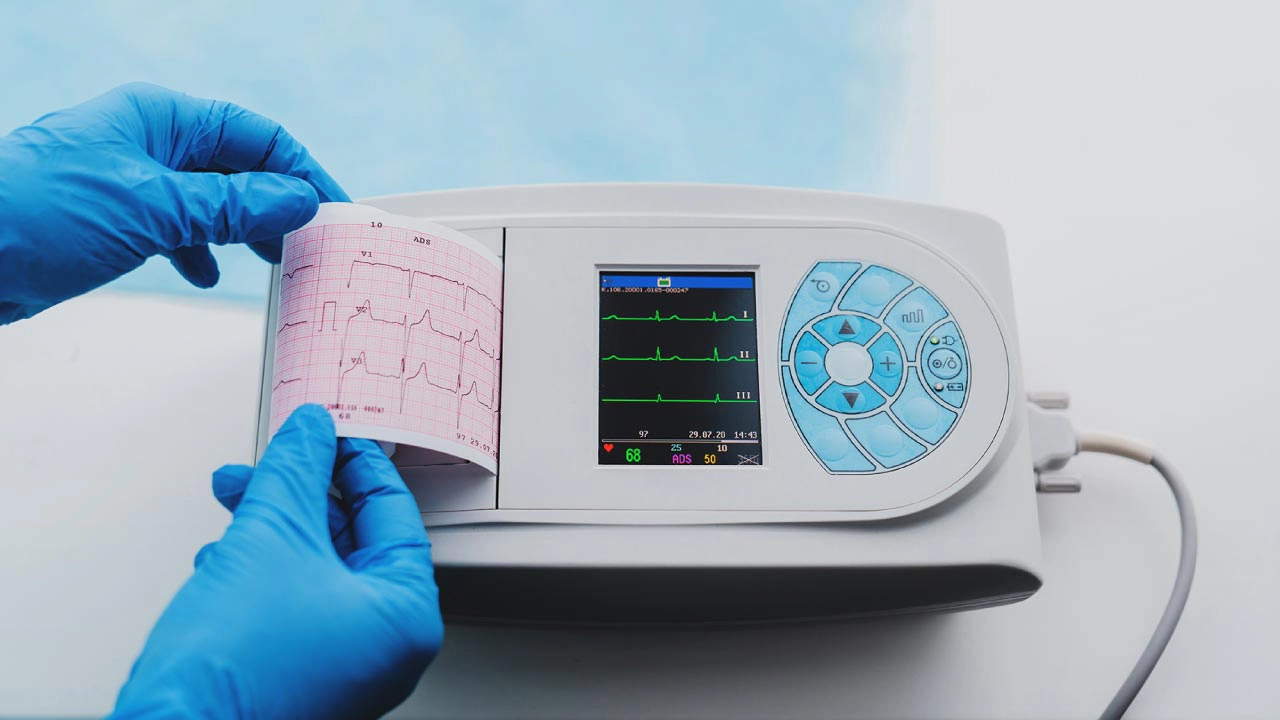
ECG, also known as an electrocardiogram, is a diagnostic test that records the electrical activity of the heart. Small electrodes are placed on the chest, arms, and legs to detect electrical signals generated during each heartbeat. These signals are recorded as waves on a graph, which doctors analyze to assess heart rhythm and electrical conduction.
The heart functions through coordinated electrical impulses that trigger contractions. Any disturbance in this electrical activity may affect heart rhythm, rate, or efficiency. ECG is therefore one of the most commonly used initial tests for cardiac evaluation.
This test is quick, non-invasive, painless, and widely available. It is often used in routine checkups, emergency settings, and monitoring of known heart conditions.
What ECG Helps Detect
An ECG can provide valuable information about the heart’s electrical function. It is commonly used to evaluate:
- Irregular heart rhythms such as arrhythmias
- Abnormally slow or fast heart rates
- Evidence of previous or ongoing heart strain
- Electrical conduction disturbances within the heart
- Effects of electrolyte imbalance on heart function
- Signs suggestive of reduced blood supply to the heart
Although ECG does not show the heart’s physical structure, it gives important clues about functional abnormalities that may require further investigation.
What Is 2D Echo?
Two-dimensional echocardiography, commonly called 2D Echo, is an imaging test that uses ultrasound waves to create real-time moving images of the heart. A probe placed on the chest emits sound waves that reflect off heart structures, producing detailed images on a monitor.
Unlike ECG, which evaluates electrical activity, 2D Echo visualizes the heart’s anatomy and mechanical function. It helps doctors assess heart chambers, valves, muscle thickness, blood flow patterns, and pumping efficiency.
This test is also non-invasive and safe, though it usually takes slightly longer than an ECG due to imaging procedures.
What 2D Echo Helps Detect
A 2D Echo provides comprehensive information about heart structure and function. It may help identify:
- Heart valve disorders such as narrowing or leakage
- Structural abnormalities in heart chambers
- Heart muscle function and pumping efficiency
- Congenital heart defects
- Fluid accumulation around the heart (pericardial effusion)
- Cardiomyopathies affecting heart muscle strength
- Blood flow abnormalities within the heart
Because it provides visual images, 2D Echo is particularly useful when structural heart disease is suspected.
Key Differences Between ECG And 2D Echo
Although both tests assess heart health, they focus on different aspects and complement each other rather than replacing one another.
Electrical Vs Structural Assessment
ECG evaluates electrical activity, rhythm, and conduction patterns. In contrast, 2D Echo assesses heart structure, valve function, and pumping efficiency.
Purpose Of Testing
ECG is often used as a screening test for rhythm abnormalities, chest pain evaluation, or routine health checks. 2D Echo is usually recommended when detailed imaging of the heart is needed.
Procedure And Duration
ECG is a quick test that typically takes only a few minutes. A 2D Echo may take longer because it involves imaging from multiple angles.
Information Provided
ECG provides functional electrical data, while 2D Echo offers anatomical and functional imaging information.
Understanding these differences helps patients appreciate why doctors sometimes recommend both tests together.
When These Tests Are Recommended
Doctors may suggest ECG, 2D Echo, or both depending on symptoms, medical history, and clinical findings.
Common reasons include:
- Chest discomfort or palpitations
- Breathlessness, fatigue, or dizziness
- High blood pressure or diabetes
- Suspected heart valve disease
- Monitoring known cardiac conditions
Pre-surgical evaluation
Routine preventive screening in high-risk individuals
Dr Gauri Samir Khanapurkar emphasizes that timely cardiac evaluation can help detect heart issues early and prevent complications.
Importance Of Regular Heart Evaluation
Cardiovascular diseases often develop gradually and may not cause noticeable symptoms in early stages. Regular heart evaluation helps identify risk factors and early abnormalities before serious complications occur.
Maintaining heart health involves:
- Periodic health checkups
- Balanced diet and regular exercise
- Blood pressure and cholesterol monitoring
- Effective diabetes management
- Stress reduction and adequate sleep
- Avoidance of smoking and excessive alcohol
Early detection through appropriate tests supports better management and improved long-term outcomes.
Frequently Asked Questions
Q: Are ECG And 2D Echo Painful Tests?
A: No. Both tests are non-invasive, safe, and generally painless.
Q: Which Test Is Better For Heart Diagnosis?
A: They serve different purposes. ECG evaluates electrical activity, while 2D Echo assesses heart structure and function.
Q: Can One Test Replace The Other?
A: No. They complement each other depending on clinical requirements.
Q: How Long Do These Tests Take?
A: ECG is usually completed within a few minutes, whereas 2D Echo may take longer due to imaging.
Q: Are These Tests Safe For Routine Screening?
A: Yes. Both are commonly used for safe cardiac evaluation and preventive screening.
Conclusion
Understanding the difference between ECG and 2D Echo helps patients make informed decisions about heart health evaluation. Each test provides valuable information about different aspects of cardiac function. While ECG focuses on electrical activity, 2D Echo evaluates structural and functional characteristics of the heart.
Together, these tests play an important role in accurate diagnosis, early detection of heart disease, and effective treatment planning. For expert cardiac assessment, preventive care, and personalized guidance, consult Dr Gauri Samir Khanapurkar, Consulting Physician, Diabetologist And Rheumatologist, to ensure comprehensive heart health evaluation and long-term wellbeing.

Looking for Expert Care for All Your Health Issues? Your Search Ends Here!
Get personalised treatments, trusted medical advice and compassionate care—all in one place! Don’t wait – take the first step towards better health today!


