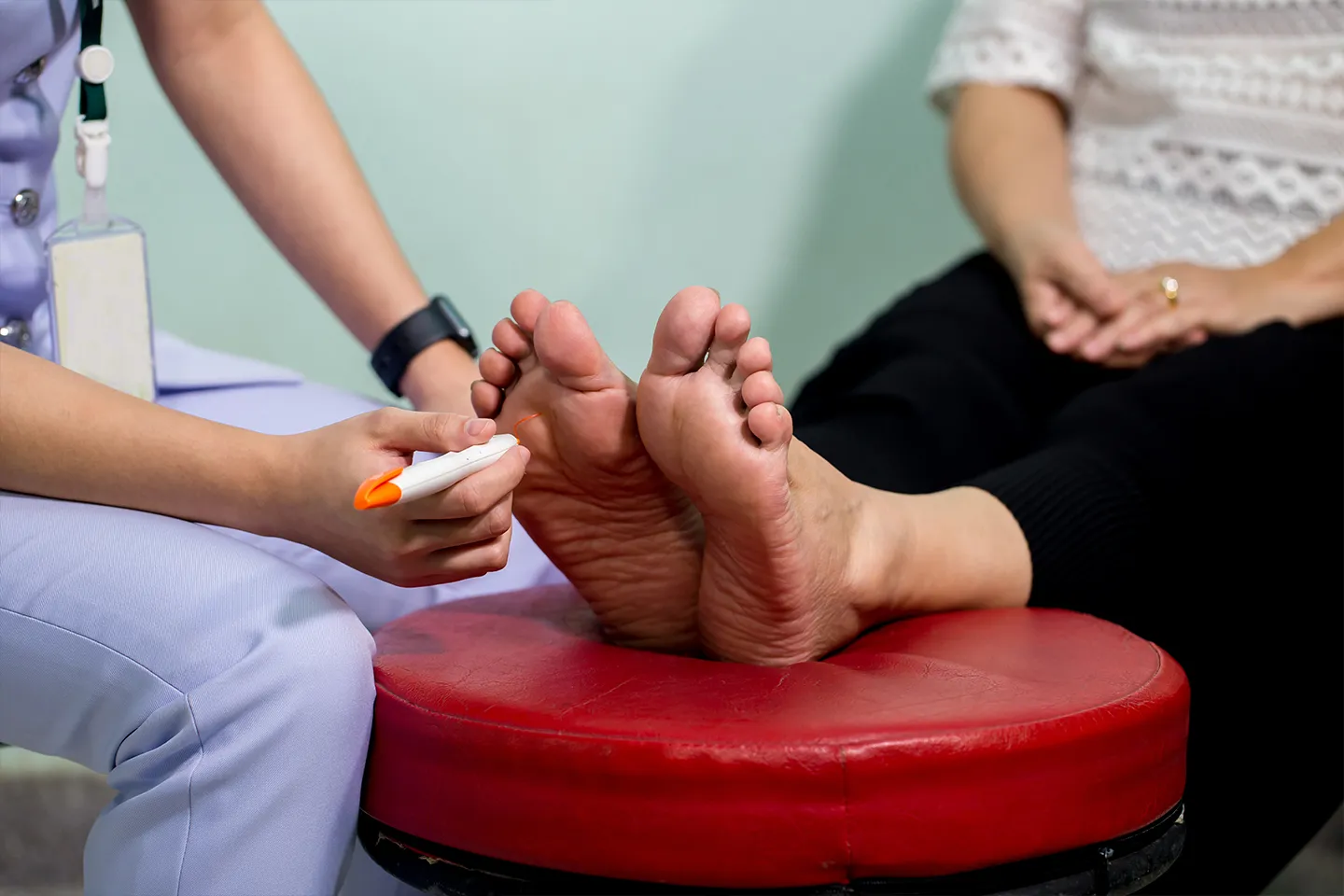
Diabetes affects multiple systems in the body, and foot health is one of the most important aspects of diabetes management. Persistently high blood sugar levels can damage nerves and blood vessels, increasing the risk of foot infections, ulcers, and delayed healing. Proper foot care plays a vital role in preventing complications and maintaining mobility.
According to Dr. Gauri Samir Khanapurkar, Consulting Physician, Diabetologist And Rheumatologist, regular foot care combined with good blood sugar control significantly reduces the risk of serious diabetic foot problems.
Why Foot Care Is Important In Diabetes
Long standing diabetes can cause nerve damage and reduced blood circulation in the feet. This may decrease sensation, making it difficult to notice cuts, blisters, or injuries. Poor circulation further slows healing and increases the risk of infection.
Ignoring minor foot problems may lead to serious complications. Early detection and preventive care are essential for maintaining foot health.
Common Foot Problems In Diabetic Patients
Diabetic individuals may experience several foot related issues, especially when blood sugar remains uncontrolled.
Common problems include:
- Numbness or tingling due to nerve damage
- Dry skin and cracking
- Corns and calluses
- Foot ulcers or open sores
- Fungal infections
- Delayed wound healing
Dr. Gauri Samir Khanapurkar emphasizes routine examination to detect problems before they become severe.
Daily Foot Care Practices
Consistent daily care helps prevent complications and maintain healthy feet.
Important practices include:
- Inspect feet daily for cuts, swelling, redness, or blisters
- Wash feet gently with lukewarm water and dry thoroughly
- Moisturize skin to prevent dryness and cracking
- Trim nails carefully to avoid injury
- Wear clean, well fitting footwear
- Avoid walking barefoot
These simple habits can significantly reduce complications.
Choosing Proper Footwear
Appropriate footwear protects feet from injury and pressure points.
Consider the following:
- Comfortable shoes with proper cushioning
- Adequate toe space to prevent friction
- Soft socks that allow ventilation
- Avoid tight or ill fitting shoes
Proper footwear reduces risk of ulcers and infections.
Warning Signs That Need Medical Attention
Certain symptoms should never be ignored in diabetic patients.
Seek medical care if you notice:
- Persistent swelling or redness
- Non healing wounds or ulcers
- Increased pain or numbness
- Skin color changes
- Signs of infection such as discharge or warmth
Prompt evaluation by Dr. Gauri Samir Khanapurkar helps prevent complications.
Role Of Blood Sugar Control
Maintaining optimal blood sugar levels is the foundation of diabetic foot care. Controlled sugar levels support nerve health, improve circulation, and enhance wound healing.
Key measures include:
- Balanced diet
- Regular physical activity
- Medication adherence
- Routine glucose monitoring
Good diabetes control reduces the likelihood of foot complications.
Preventive Medical Care
Regular medical checkups are essential for diabetic patients.
Recommended evaluations include:
- Periodic foot examination
- Assessment of nerve sensation
- Circulation evaluation
- Early treatment of minor foot problems
Dr. Gauri Samir Khanapurkar advises routine follow up to ensure comprehensive diabetes care.
Frequently Asked Questions
Q: Why are diabetic patients more prone to foot problems?
A: Diabetes can cause nerve damage and reduced circulation, making injuries less noticeable and healing slower.
Q: How often should diabetic patients check their feet?
A: Daily self examination is recommended along with periodic professional evaluation.
Q: Can minor foot injuries become serious?
A: Yes. Even small cuts or blisters can lead to infections if untreated.
Q: Is special footwear necessary for diabetes?
A: Properly fitting, supportive footwear helps reduce pressure points and prevents injury.
Q: Does controlling blood sugar help foot health?
A: Yes. Good sugar control improves circulation, nerve function, and healing capacity.
Conclusion
Foot care is an essential part of diabetes management. Preventive measures, daily inspection, proper footwear, and blood sugar control help avoid serious complications.
Regular consultation with Dr. Gauri Samir Khanapurkar, Consulting Physician, Diabetologist And Rheumatologist, ensures comprehensive diabetes care, early detection of foot problems, and effective treatment to maintain mobility and quality of life.

Looking for Expert Care for All Your Health Issues? Your Search Ends Here!
Get personalised treatments, trusted medical advice and compassionate care—all in one place! Don’t wait – take the first step towards better health today!


